The FDA is sparing the macaques and clearing the runway for the most lucrative class of oncology drugs on the market, before the laboratory tools meant to replace those animals are ready to do the work. That is the practical content of a draft guidance the agency’s Oncology Center of Excellence released on May 29, the second in fourteen months to peel back the standard preclinical safety package for cancer biologics.
The document, titled “Oncology Pharmaceuticals: Streamlined Nonclinical Safety Studies for Biologics and Conjugated Products,” tells sponsors developing certain cancer biologics they can skip animal testing where the candidate has no binding or pharmacologic activity in a given species, run a single relevant species rather than the standard two, and in some cases replace the three-month non-human primate study with a weight-of-evidence risk assessment built from data on the investigational product, target literature, the toxicity record of related products in the class, and fit-for-purpose laboratory methods. Comments are due July 30 in docket FDA-2026-D-2839. Angelo de Claro, MD, the center’s director, called the move a fulfilled promise to “reduce the use of animal testing during drug development” while expediting “regulatory pathways for meaningful treatments.”
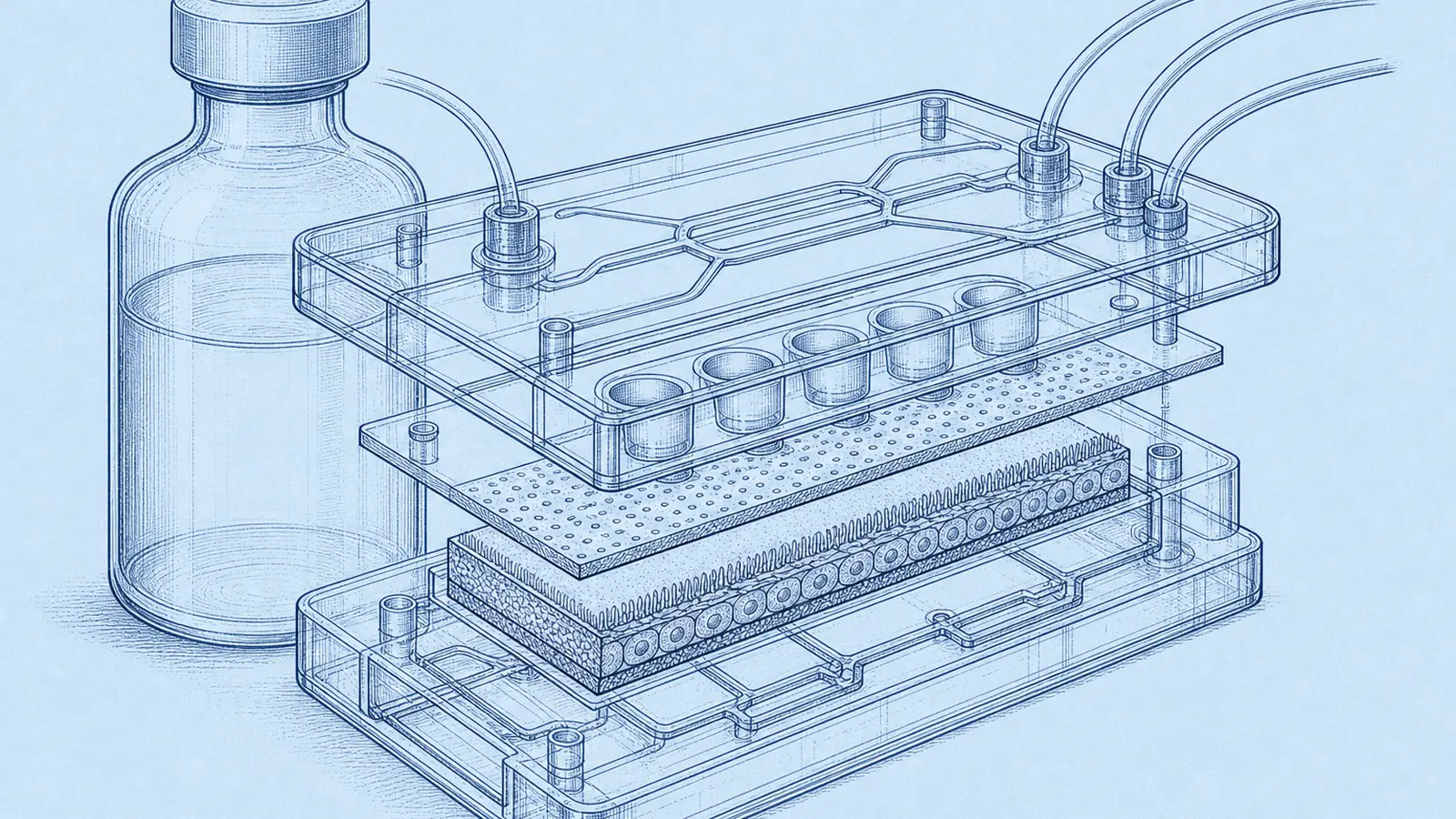
The promise comes from last April, when Marty Makary’s FDA released a five-year roadmap that put the same logic in print: animal studies should become the exception in preclinical safety testing within three to five years, replaced by what the agency calls new approach methodologies, a basket of in vitro human-tissue systems, in silico computational models, AI-supported simulation, and microdosing studies in human volunteers. That same April announcement dropped the six-month non-human primate toxicology requirement for single-target monoclonal antibodies. The May guidance is the next layer down. The roadmap put the cost of the old default in plain numbers: a typical monoclonal antibody program runs through roughly 144 non-human primates, and the per-animal price has climbed to as much as fifty thousand dollars.
In the meantime, this is less testing.
The class of product on the receiving end is the engine of contemporary oncology drug development. Biologics and antibody-drug conjugates are where the major sponsors have steered investment, and a shorter, cheaper preclinical safety package on that class is worth meaningful money to the companies in front of those pipelines. It lands before the methods meant to substitute for the cut studies are in routine validated use. The agency’s own roadmap is honest about that gap: the integrated NAM-based default that would actually replace animal data sits on the three-to-five-year edge of the timeline. The relief is happening now.
The ethical case for cutting unnecessary animal use is straightforward, and the predictive value of non-human primate toxicology for a target-specific human biologic was always thinner than the size of those studies suggested. That is exactly why the replacement standard matters. There is a serious version of this reform, one in which the new methodologies are validated against the historical animal-and-clinical record, the gaps between in vitro signals and in-human signals are mapped, and the agency publishes the analyses behind its revised decision tree before it relaxes the requirement. The April 2025 roadmap nods toward that work. The May 2026 guidance lands ahead of it.
The risk that gets papered over inside the patient-friendly framing is the one every accelerated pathway carries. Faster gets you more of what works and more of what does not, and the field finds out which is which after the drug reaches patients. Oncology is the corner of medicine with the most permissive risk tolerance for that exact reason, and biologics and conjugates are its growth engine. Removing the slowest, costliest, and admittedly imperfect piece of the preclinical safety package before the replacements are in routine validated use is a bet that post-marketing surveillance will catch what slips through. That is a heavy bet to lay on a system that has spent the last decade catching less than its press releases promise.
Comments are open through July 30. The macaques get their reprieve. The drugs get the faster lane. The question the comment period is meant to answer, the one a serious public record would force the agency to address before the docket closes, is what catches the harms in the years before the replacement tools are ready to.